There’s a beeping device in your basement. It’s not the smoke detector, not the CO detector, and not the water leak sensor. It’s your radon detector — and it’s trying to tell you something about an invisible, odorless gas that you can’t see, smell, or taste.
Radon is the second leading cause of lung cancer after smoking, responsible for about 21,000 lung cancer deaths per year in the United States according to the EPA. It seeps into homes from the ground through foundation cracks, and the only way to know it’s there is to test for it.
If your radon detector is beeping, here’s what it means and what you should do.
What a Radon Detector Alarm Means
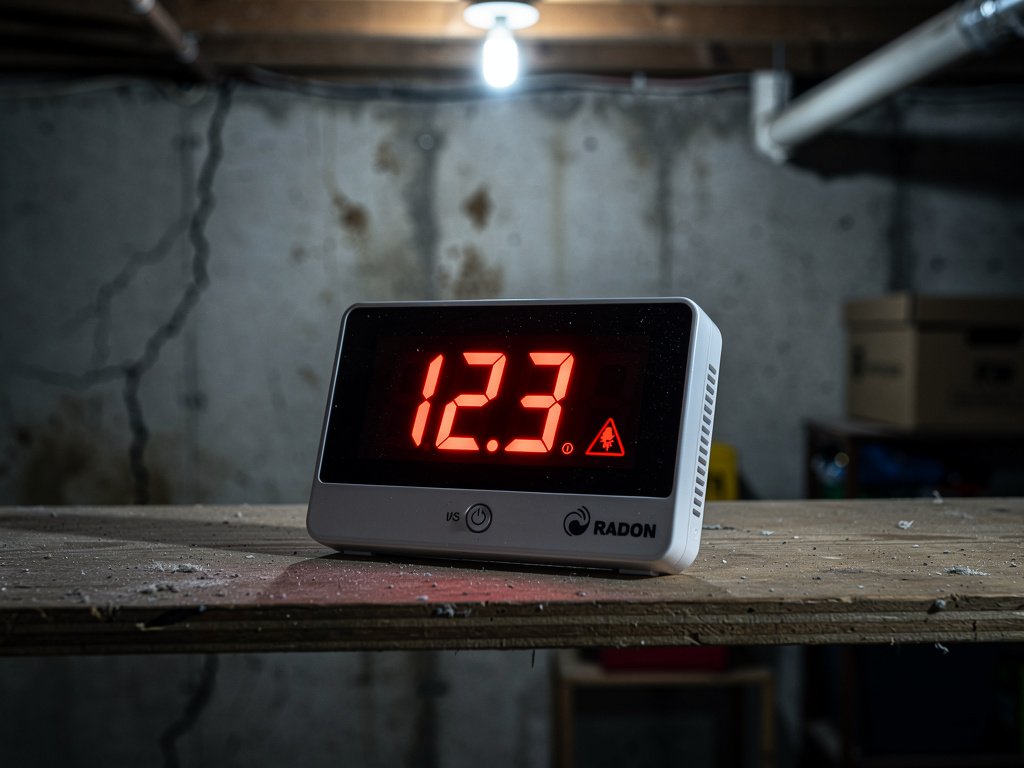
Radon detectors use different beep patterns to communicate different information. While the exact pattern varies by brand (Airthings, EcoSense, RadonEye, etc.), here are the common signals:
Rapid beeping or continuous alarm: The radon level has exceeded a dangerous threshold — typically 4 pCi/L (picocuries per liter), which is the EPA action level. This means the radon concentration in your home has reached a level where the EPA recommends taking action to reduce it.
Single chirp every 30-60 seconds: This is almost always a low battery warning. Radon detectors typically use AA batteries or USB power. Replace the batteries or check the power connection.
Periodic short beeps every few hours: Some detectors beep to indicate a calibration reminder or a connectivity issue (for smart models that connect to an app). Check the app or the display screen for details.
Beep with red light: A red warning light alongside the beep typically confirms a high radon level. Check the digital display for the exact reading.
Understanding Radon Levels
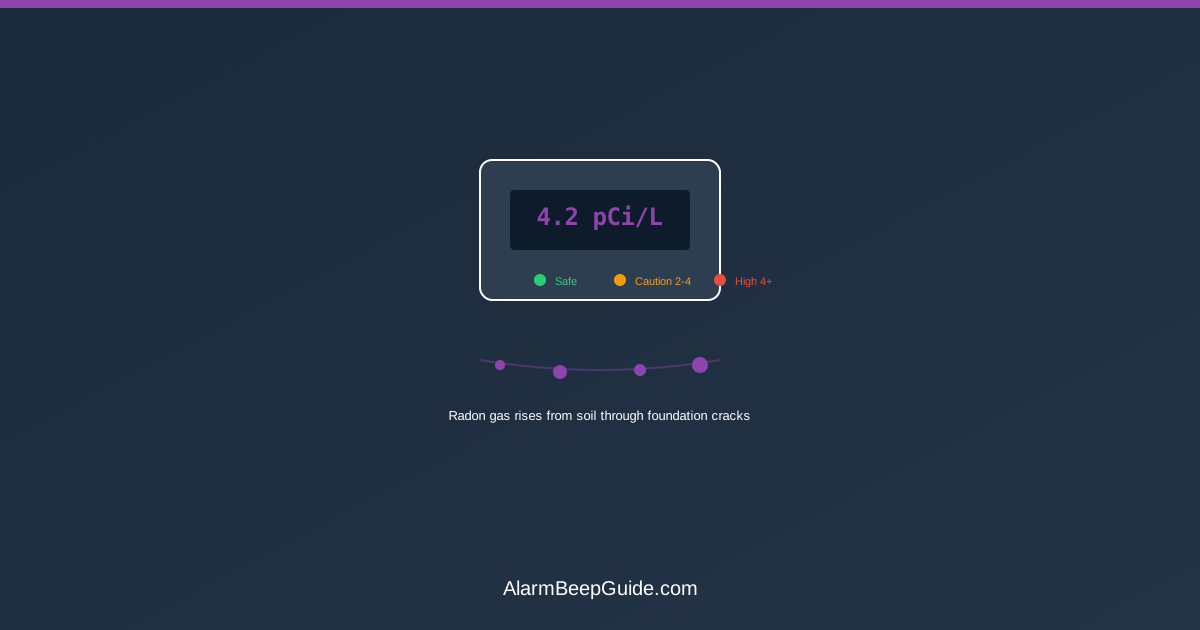
Radon is measured in picocuries per liter (pCi/L). Here’s what the numbers mean:
- Below 2 pCi/L: Low risk. No action needed. This is the average outdoor radon level.
- 2-4 pCi/L: Moderate risk. The EPA recommends considering mitigation, especially if someone in the home is a smoker or former smoker (smoking combined with radon exposure dramatically increases lung cancer risk).
- 4 pCi/L and above: Elevated risk. The EPA recommends taking action to reduce radon levels. This is the “action level” — above 4 pCi/L, the risk is significant enough to warrant mitigation.
- Above 10 pCi/L: High risk. The EPA recommends mitigating within a few months. The higher the level, the more urgent the mitigation.
The WHO reference level is 2.7 pCi/L — lower than the EPA action level. The World Health Organization recommends reducing radon levels above 2.7 pCi/L, recognizing that even moderate radon levels pose a health risk over time.
Key point: Radon levels fluctuate. A single high reading doesn’t mean your home is dangerous — but it does mean you need to confirm with additional testing. Radon levels vary by season, weather, ventilation, and time of day. A long-term test (90+ days) gives a more accurate picture than a short-term test.
Why Radon Is Dangerous
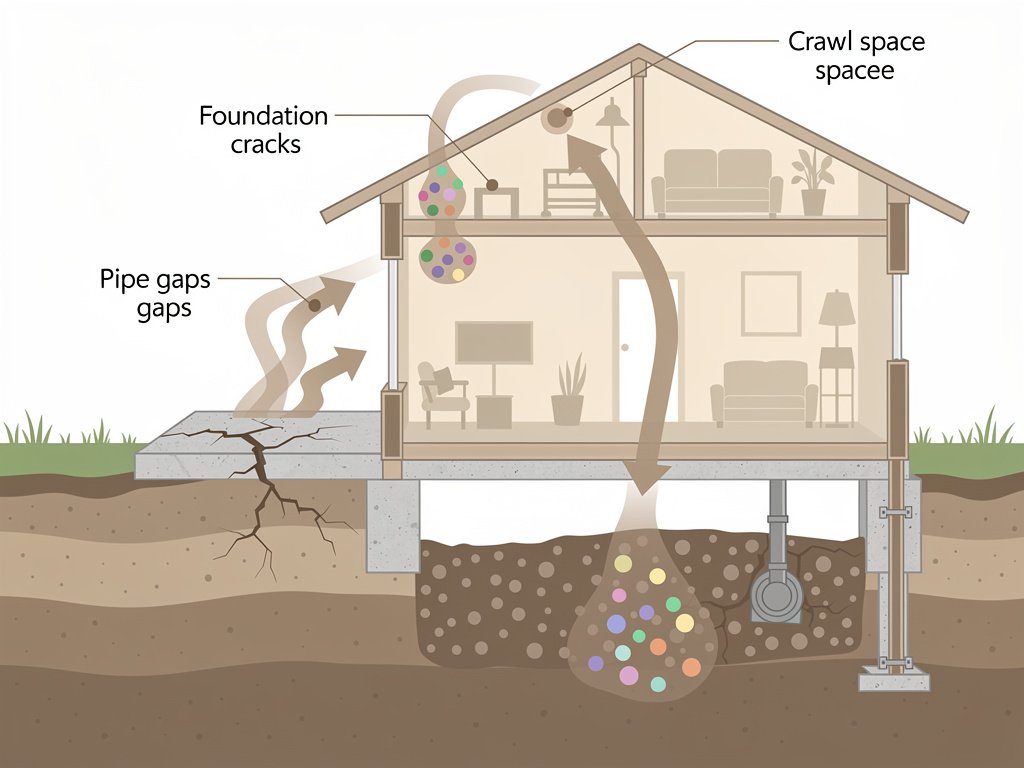
Radon is a naturally occurring radioactive gas produced by the breakdown of uranium in soil, rock, and water. It’s present everywhere — the question is how much gets into your home.
Radon enters homes through:
- Cracks in the foundation or basement floor
- Gaps around pipes and utility lines
- Construction joints
- Crawl spaces with exposed soil
- Well water (radon dissolved in water can be released into the air during showering or washing)
Once inside, radon can accumulate to dangerous levels, especially in basements and ground-floor rooms. The gas decays into radioactive particles that, when inhaled, can damage lung tissue. Long-term exposure to elevated radon levels significantly increases the risk of lung cancer.
Smokers are at much higher risk. If you smoke and live in a home with high radon, your lung cancer risk is about 5 times higher than a non-smoker in the same home. If you smoke, reducing radon levels is especially critical.
Immediate Steps When the Alarm Sounds
If your radon detector is showing elevated levels, here’s what to do:
Step 1: Don’t Panic — Verify the Reading
Radon is a long-term health risk, not an immediate emergency like a fire or CO leak. You don’t need to evacuate your home. But you do need to take it seriously.
Check the detector’s display for the current reading. If the reading is above 4 pCi/L, verify it with a second test:
- Run a second short-term test (2-7 days) in the same location
- Or order a long-term test kit (90+ days) for a more accurate average
- You can also get a professional radon test from a certified radon measurement provider
A single spike doesn’t mean your home has a chronic radon problem — radon fluctuates based on weather, barometric pressure, and ventilation. But if multiple tests show levels above 4 pCi/L, it’s time to take action.
Step 2: Ventilate the Area
Open windows and doors in the affected area to increase airflow. Radon dissipates quickly with ventilation, but this is a temporary fix — radon will return once you close the windows. Ventilation buys you time but doesn’t solve the underlying problem.
Step 3: Check for Common Entry Points
Look for:
- Cracks in the basement floor or foundation walls
- Gaps around pipes or utility penetrations
- Exposed soil in crawl spaces
- Sump pump pits without sealed covers
Sealing these entry points can reduce radon levels, but sealing alone is rarely sufficient for high radon levels. Professional mitigation is usually needed.
Step 4: Consider Professional Mitigation
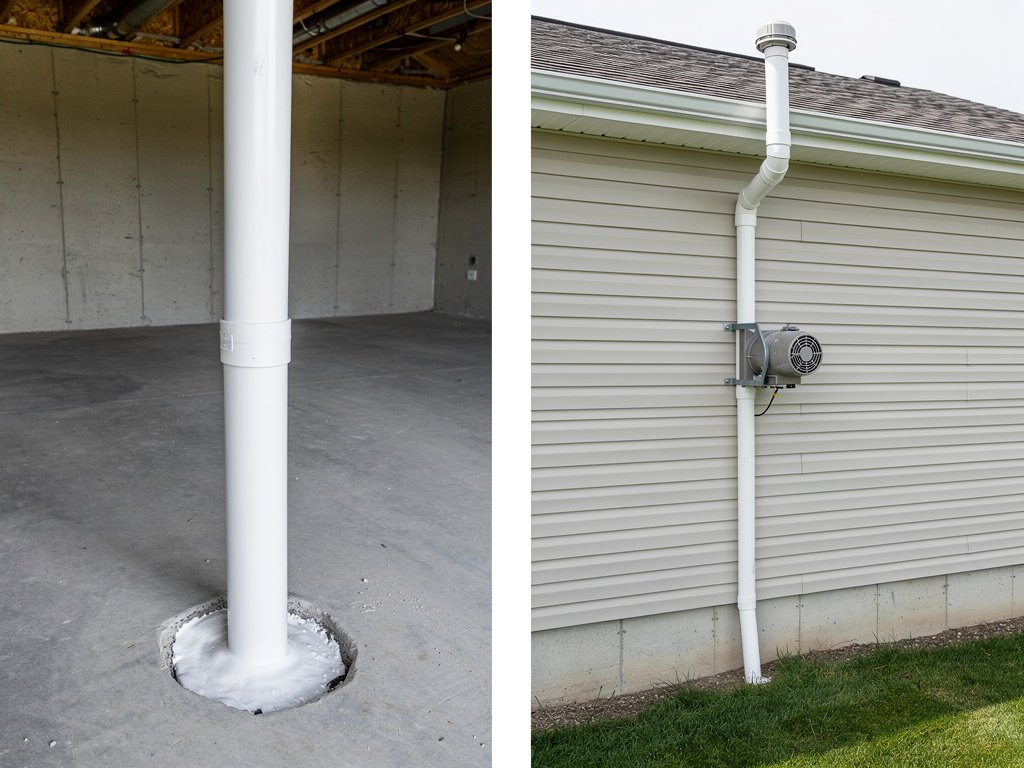
If radon levels are consistently above 4 pCi/L, hire a certified radon mitigation contractor. The most common and effective mitigation method is sub-slab depressurization: a pipe is installed through the basement floor that vents radon gas from beneath the foundation to the outside before it can enter the home. A fan in the pipe creates a vacuum that pulls the radon out.
Typical cost: $800-$2,500 depending on the home and the severity of the radon. This is a one-time installation — the fan runs continuously and requires minimal maintenance (replacing the fan every 5-10 years). The fan uses about $50-100 per year in electricity.
Other mitigation methods include:
- Sealing cracks and openings: Reduces radon entry but is rarely sufficient on its own. Best used as a supplement to sub-slab depressurization.
- Heat recovery ventilation (HRV): Introduces fresh air into the home, diluting radon levels. More expensive to install and operate than sub-slab depressurization.
- Crawl space ventilation: If your home has a crawl space with exposed soil, covering it with a sealed vapor barrier and venting it to the outside can significantly reduce radon levels.
- Water treatment: If radon is entering through well water, an aeration system or granular activated carbon filter can remove radon from the water supply.
After mitigation, test again to confirm that radon levels have dropped below 4 pCi/L. Most mitigation systems reduce radon by 50-99%. Continue monitoring with your radon detector to ensure the system remains effective over time.
Short-Term vs. Long-Term Radon Testing
Short-term tests (2-90 days): Quick snapshot of radon levels. Useful for initial screening. Results can be affected by weather, season, and ventilation. If a short-term test shows levels above 4 pCi/L, follow up with a long-term test.
Long-term tests (90+ days): More accurate average of radon levels over time. The EPA recommends long-term testing for the most reliable result. Long-term tests account for seasonal variations and give a better picture of your actual exposure.
Continuous monitoring: A plug-in radon detector (like the Airthings Wave or RadonEye) provides continuous, real-time monitoring. These devices show both short-term (1-day or 7-day) and long-term (average) readings. They’re the best option for ongoing monitoring — you’ll see trends and can detect changes early.
Radon Detector Beep Patterns
To help you distinguish between the different beeps:
High radon level alarm:
- Usually a rapid series of beeps or a continuous tone
- Accompanied by a red warning light or high number on the display
- The display shows a reading above 4 pCi/L (or above the threshold you’ve set)
Low battery:
- Single chirp every 30-60 seconds
- Accompanied by a low battery indicator on the display
- Replace batteries immediately — a dead detector can’t monitor radon
Calibration reminder:
- Some detectors beep periodically (every few months) to remind you to calibrate
- Check the manufacturer’s instructions for calibration procedure
- Most consumer radon detectors don’t require calibration, but some do
Connectivity issue (smart detectors):
- Short beep every few hours
- The detector has lost its Wi-Fi or Bluetooth connection
- Check the app for connection status and reconnect
Choosing a Radon Detector
Key features to look for:
- Continuous monitoring: Real-time readings, not just a one-time test
- pCi/L display: Shows the actual radon level, not just “safe/unsafe”
- Long-term average: Shows the average over time, not just the current reading
- Data export: Some detectors allow you to export data for sharing with a mitigation professional
- Certification: Look for detectors that have been tested and certified by an independent lab (AARST-NRPP or equivalent)
Popular options include the Airthings Wave (Bluetooth smart detector), the EcoSense EcoQube (continuous monitor), and the RadonEye (fast-response monitor). Each has different features, battery life, and price points.
FAQ
What is a safe radon level? There is no completely “safe” level of radon — any exposure carries some risk. The EPA recommends taking action at 4 pCi/L. The WHO recommends action at 2.7 pCi/L. Reducing radon levels as low as possible is always the best approach.
How accurate are home radon detectors? Continuous electronic radon detectors are generally accurate to within 10-15% of professional lab tests. They’re excellent for screening and ongoing monitoring, but for the most precise measurement, a professional lab test (using a charcoal canister or alpha-track detector) is the gold standard.
Does radon affect the whole house or just the basement? Radon is highest in the basement and lowest on upper floors, but it can be present throughout the house. Upper floors typically have 50-70% of the radon level found in the basement. If your basement has high radon, test the upper floors as well.
Can opening windows reduce radon? Yes, temporarily. Ventilation dilutes radon levels, but it’s not a permanent solution — radon returns when windows are closed. Ventilation is a stopgap measure while you arrange for professional mitigation.
How often should I test for radon? The EPA recommends testing every 2 years, even if previous tests were low. Radon levels can change due to settling of the foundation, changes in the water table, nearby construction, or seismic activity. If you’ve done mitigation, test annually to confirm the system is working.
Is radon dangerous if I don’t have a basement? Yes. Radon can enter through slab foundations, crawl spaces, and even from well water. Homes without basements can still have elevated radon. Test any home, regardless of foundation type. The EPA estimates that 1 in 15 U.S. homes has elevated radon levels — and radon can be a problem in any state, not just in areas known for uranium deposits.
Take Radon Seriously — But Don’t Panic
A beeping radon detector is not an emergency in the way a fire or CO alarm is. Radon is a long-term health risk — the danger comes from years of exposure, not minutes. But it’s a risk you should take seriously and act on promptly.
If your detector shows elevated levels: verify with a second test, ventilate as a temporary measure, and contact a certified radon mitigation contractor if levels are consistently above 4 pCi/L. The fix is proven, permanent, and typically costs less than a major appliance repair.
For more on beeping safety devices in your home, see our guides on CO detector beeping patterns and smoke and CO detector beeping. If you’re hearing beeping you can’t identify, our find which detector is beeping guide can help you isolate the source. And for a comprehensive look at when to replace all your home safety detectors, see our smoke detector replacement timeline and CO detector replacement guide.
Related Articles
- Carbon Monoxide Detector Placement Guide — CO detector placement
- When to Replace a Carbon Monoxide Detector — CO detector lifespan
- Water Leak Detector Beeping — another home safety sensor
- Carbon Monoxide Detector Beeping Patterns — CO alert patterns